Qigong Healing for Pets: Gentle Support for Recovery and Well-Being

Updated: Sep 24
When a beloved pet is experiencing pain, recovering from surgery, living with a chronic condition, or becoming less comfortable with age, guardians naturally want to do everything they can to support their companion.
Veterinary diagnosis and treatment should always come first. Alongside appropriate veterinary care, some guardians choose complementary practices such as Medical Qigong to provide a calm, gentle form of supportive care.
At My Pets Guardian Services, Qigong healing for pets is offered with the intention of supporting relaxation, comfort, recovery, and overall well-being. It is not a replacement for veterinary medicine, pain medication, surgery, rehabilitation, or other treatments prescribed by a veterinarian.
What Is Qigong Healing for Pets?
Qigong is rooted in traditional Chinese practices involving breath, focused attention, movement, relaxation, and the traditional concept of qi, or life-force energy.
In an animal-healing session, a practitioner may use focused intention, calm presence, breathing techniques, and non-contact or very light-touch methods. The approach is adapted to the individual animal rather than requiring the pet to remain in a particular position.
Some animals prefer to rest beside their guardian. Others may remain several feet away, move around the room, or approach and retreat according to their comfort level.
The goal is to create a peaceful environment in which the animal can relax and receive gentle supportive care without being restrained or pressured.
Qigong Support During Recovery After Surgery
The period following surgery can be challenging for both animals and their guardians.
A pet may be uncomfortable, tired, anxious, less mobile, or frustrated by restrictions on normal activity. Creating a calm environment can be an important part of recovery.
When appropriate, gentle Qigong may be incorporated as a complementary practice during postoperative recovery. Because many sessions can be performed without physical manipulation, the approach can be adapted for animals who are tender, wearing surgical dressings, or unable to move normally.
The intention is to support:
Relaxation and calm during recovery
Overall comfort
A peaceful resting environment
Emotional well-being during restricted activity
A positive recovery experience
The animal's ability to settle and rest
Qigong should not be presented as a replacement for postoperative veterinary care, and a practitioner should never interfere with surgical wounds, dressings, medications, rehabilitation instructions, or movement restrictions.
Whether a session is appropriate after surgery should depend on the animal's condition and, ideally, the advice of the treating veterinarian.
Can Qigong Speed Up Healing?
This is an important distinction.
There are traditional Qigong healing claims that energy work can support the body's natural healing processes. However, there is not sufficient scientific evidence to establish that externally transmitted qi directly accelerates tissue healing, closes wounds faster, or reduces surgical recovery time.
For this reason, we do not promise a specific recovery time or claim that Qigong can make an injury or surgical wound heal faster.
Instead, Qigong can be offered as complementary supportive care during the recovery process, alongside the measures that are known to be important for healing: appropriate veterinary treatment, medication when prescribed, nutrition, hydration, rest, wound care, controlled activity, and rehabilitation.
Recovery is individual. Some animals improve quickly, while others require considerably more time and support.

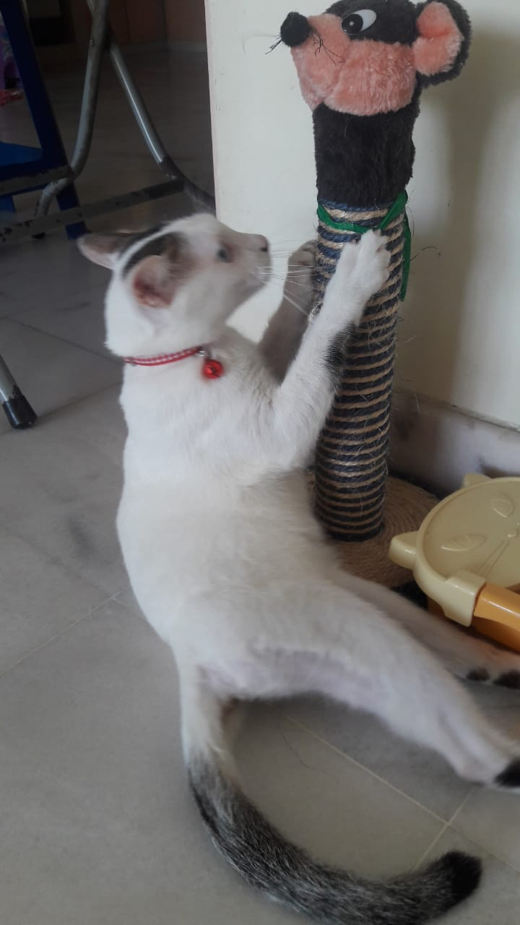
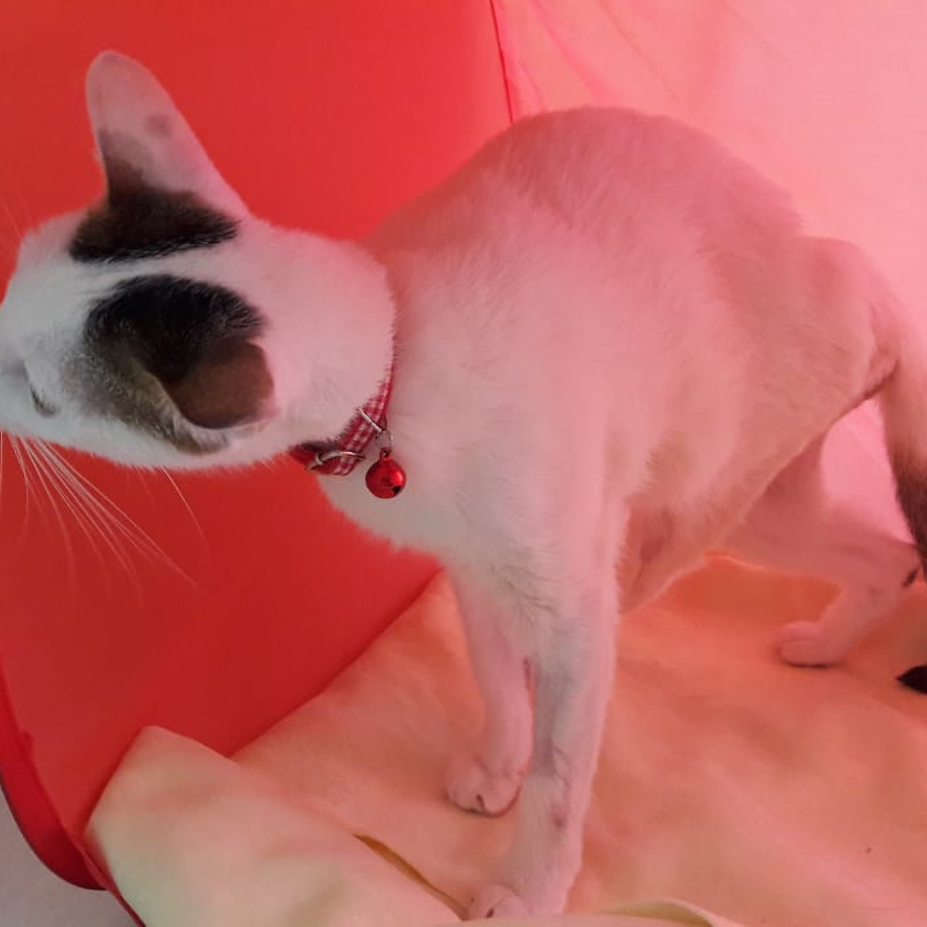
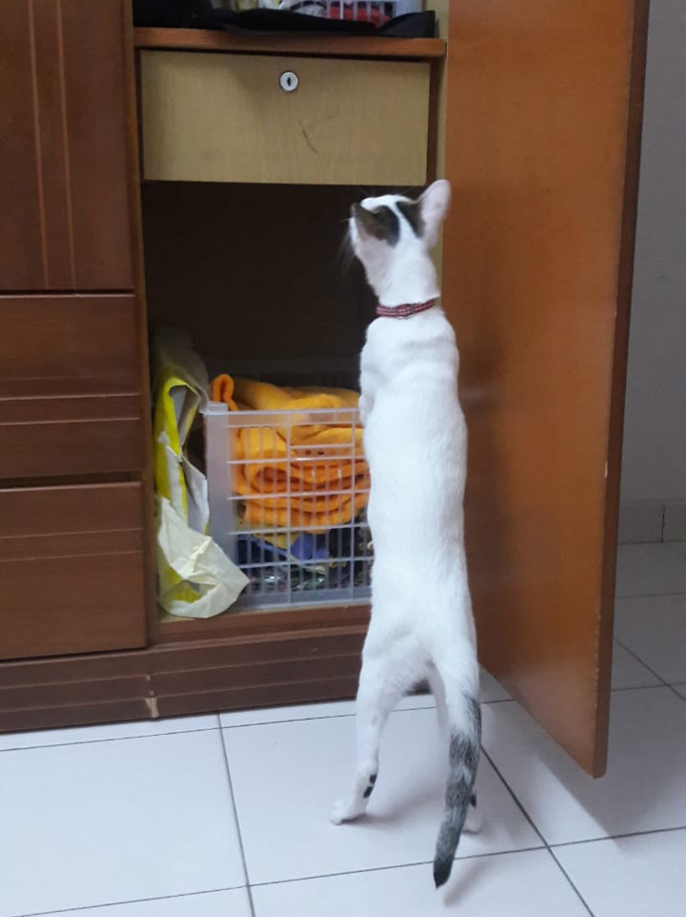
Artemis fell from the 9th floor, and the vet stated that she wouldn't recover because her pelvic bone was broken, necessitating the use of diapers. Despite this, the owner didn't give up and continued daily energy healing until she recovered.
Supporting Mobility and Senior Pets
Older animals may gradually experience changes in mobility, muscle condition, flexibility, or comfort.
A senior dog may become reluctant to climb stairs. A cat may stop jumping onto its favorite furniture. An animal with chronic musculoskeletal problems may spend more time resting or change the way it walks.
For these pets, Qigong may provide a gentle, low-demand form of complementary support.
Sessions can be conducted without asking an animal to perform strenuous movements. The emphasis can instead be on calmness, relaxation, and respecting the animal's physical limitations.
For senior pets, however, new mobility problems should never automatically be attributed to aging. Arthritis, dental disease, neurological problems, injury, and other medical conditions can produce similar changes and should be assessed by a veterinarian.
Supporting Animals With Chronic Conditions
Some pets live with long-term conditions requiring ongoing veterinary management.
For these animals, guardians may seek complementary approaches because they want to provide additional comfort and emotional support without placing additional physical demands on the animal.
Qigong may be incorporated into a broader care plan where appropriate.
The purpose is supportive rather than curative. It should not replace prescribed medication, diagnostic monitoring, physiotherapy, dietary management, or other veterinary recommendations.
For animals receiving treatment for cancer, neurological disease, arthritis, kidney disease, heart disease, or other significant conditions, veterinary oversight remains particularly important.
What Happens During a Pet Qigong Session?
Every session begins with understanding the animal.
The practitioner may ask about the pet's:
Current health and veterinary treatment
Recent surgery or injury
Mobility and activity levels
Appetite and sleep
Behaviour and temperament
Areas of discomfort noticed by the guardian
Medications and other treatments
Changes observed since the condition began
The environment is then kept as calm and comfortable as possible.
The animal is not required to lie down, remain in one position, or accept physical contact. Non-contact Qigong may be particularly appropriate for animals who are painful, anxious, recovering from surgery, or uncomfortable with handling.
Some animals become very still. Others may yawn, stretch, sigh, close their eyes, drink water, or simply continue resting. Some may show little obvious response at all.
There is no requirement for a dramatic reaction.
The most important consideration is the animal's comfort.
What Should Guardians Observe After a Session?
Rather than looking for dramatic signs, observe your pet's ordinary behaviour over time.
Depending on the individual animal, guardians may notice changes such as:
More peaceful resting
Greater willingness to settle
A calmer demeanour
Increased interest in normal activities
Easier transitions between resting and moving
Improved engagement with familiar routines
These observations can be useful to share with your veterinarian, but they should not be taken as proof that a particular medical condition has been treated.
If your pet's symptoms worsen, new symptoms appear, or pain returns, veterinary assessment should take priority.
Safety Comes First
Complementary care should never delay veterinary attention.
Seek veterinary care promptly if your pet has:
Severe or rapidly increasing pain
Difficulty breathing
Collapse or extreme weakness
Repeated vomiting
Seizures
Sudden inability to walk
Difficulty urinating
Significant bleeding
A surgical wound that opens, bleeds, swells excessively, or develops discharge
Refusal of food or water accompanied by other concerning symptoms
A sudden and unexplained change in behaviour
After surgery, follow the veterinary team's instructions regarding medication, wound care, feeding, exercise, and activity restrictions.
A Qigong practitioner should work around the veterinary treatment plan, not instead of it.
A Complementary Approach to Animal Healing
Healing is rarely about one intervention.
A pet recovering from surgery may benefit from appropriate medication, nutrition, hydration, rest, controlled movement, rehabilitation, a comfortable environment, and attentive companionship.
A senior animal may need pain management, mobility support, environmental modifications, and regular veterinary monitoring.
A fearful or stressed animal may benefit from predictable routines, behavioural support, environmental management, and appropriate veterinary assessment.
Within that broader framework, Qigong can provide another gentle opportunity for relaxation and supportive care.
At My Pets Guardian Services, the intention is not to force an outcome or promise a cure. It is to provide a quiet, respectful environment in which an animal can rest and receive complementary energetic support according to its individual needs.
Choosing a Responsible Qigong Practitioner for Your Pet
When choosing someone to provide energy-based care, look for a practitioner who:
Respects veterinary diagnosis and treatment
Does not claim to cure serious diseases
Does not advise stopping prescribed medication
Respects the animal's boundaries and willingness to participate
Adapts sessions for age, mobility, pain, and medical condition
Is transparent about what the practice can and cannot do
Encourages veterinary involvement when medical concerns are present
Be particularly cautious of anyone who guarantees that Qigong will cure cancer, eliminate pain, heal a surgical wound, replace medication, or guarantee a faster recovery.
A responsible complementary practitioner should be comfortable working alongside your veterinarian.
Supporting Your Pet at Home
The simplest forms of care can be among the most meaningful.
Give your recovering or uncomfortable pet a quiet place to rest. Follow the prescribed treatment plan carefully. Keep water accessible, provide appropriate nutrition, and respect any exercise or movement restrictions.
For an older or painful animal, consider practical changes that make daily life easier, such as non-slip flooring, ramps, accessible sleeping areas, and food and water placed where they can be reached comfortably.
Most importantly, listen to your animal.
Allow them to choose whether they want physical contact. Avoid forcing interaction when they are tired or uncomfortable. Calm companionship can be reassuring without requiring anything from them.
A Gentle Complement to Veterinary Care
Every animal has a different body, temperament, history, and response to illness.
Medical Qigong for pets is best understood as a complementary practice intended to support relaxation, comfort, and overall well-being, particularly during periods when an animal is experiencing stress, discomfort, aging, or recovery.
It should never replace proper diagnosis or veterinary treatment.
For guardians who want to explore an additional, gentle approach to supporting their companion, Qigong can be incorporated thoughtfully alongside conventional veterinary care.
The priority remains the same throughout: helping your animal feel safe, comfortable, supported, and cared for while receiving the medical attention they need.
I deliberately made the article stronger around pain, postoperative recovery, mobility, and comfort, while avoiding a claim that Qigong has been scientifically demonstrated to heal tissue or shorten recovery time. That distinction will make the article more credible and safer to publish.


Comments